





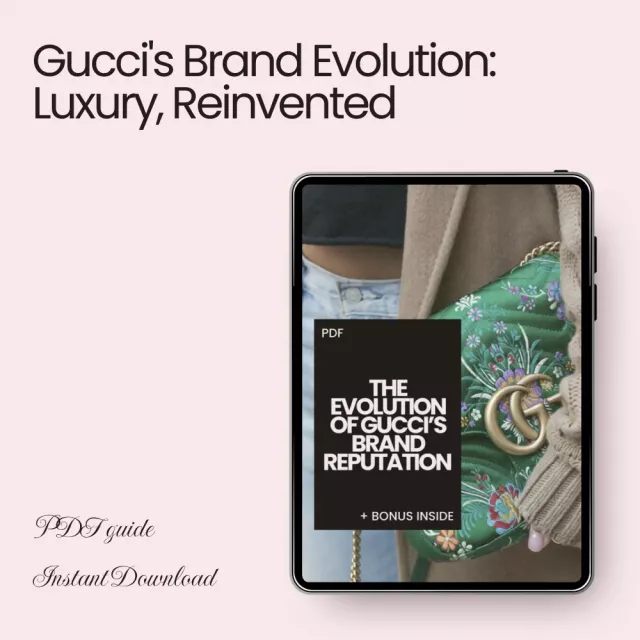
Product Overview
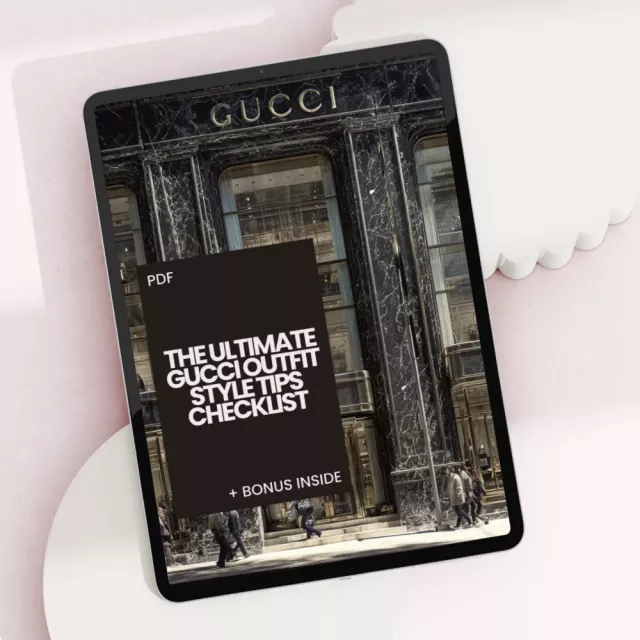
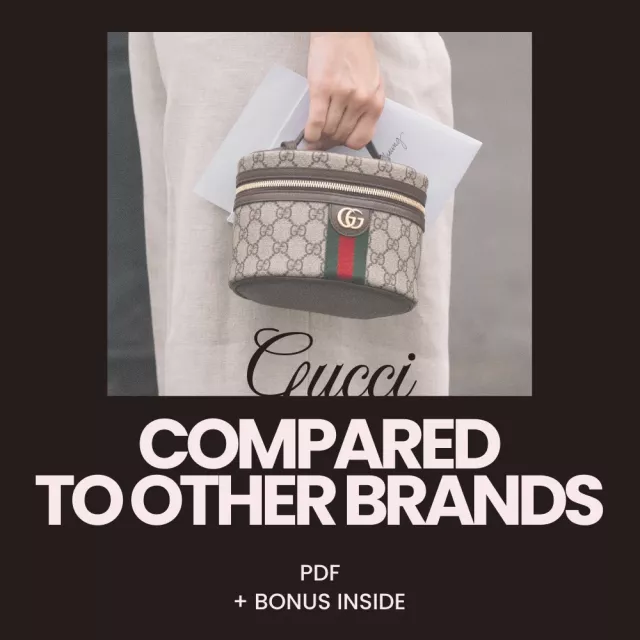
Uncover the fascinating journey of one of the most iconic luxury brands in history with “The Evolution of Gucci’s Brand Reputation.” This digital guide explores the fascinating trajectory of Gucci’s brand from its humble beginnings to its transformation into a global luxury powerhouse. Perfect for fashion enthusiasts, brand strategists, and those interested in the intersection of luxury and cultural influence, this guide takes you on a detailed journey of Gucci’s rise, fall, and reinvention, providing key insights into what makes its brand reputation so unique and powerful over time.
Key Features
- Comprehensive Historical Insight: Learn about the origins of Gucci, its initial craftsmanship, and how its association with Hollywood elevated its status.
- Brand Crisis and Reinvention: Dive deep into the challenges Gucci faced in the 1990s, and how it turned controversy into cultural capital with the help of designer Tom Ford.
- The Digital Revolution: Explore how Gucci embraced social media, memes, and technology like AI to maintain cultural relevance in today’s market.
- Sustainability and Luxury: Discover Gucci’s commitment to sustainability and how it navigates the fine balance between exclusivity and accessibility in modern times.
- Case Studies and Expert Analysis: Real-life case studies that highlight Gucci’s strategy for turning challenges into successes, offering actionable insights for other fashion brands.
Why This Guide Is Different
This guide offers more than just a surface-level overview. It gives you an in-depth look at Gucci’s brand reputation over time—something many digital resources fail to do. With detailed chapters that trace the brand’s journey from craft to controversy, and finally, to cultural omnipresence, this guide is a unique resource for anyone looking to understand the broader dynamics of luxury branding. Whether you’re studying brand evolution, interested in fashion, or curious about the role of technology in brand perception, this guide provides rich, comprehensive, and real-world insights.
Benefits of Downloading
- Gain a Deep Understanding: Learn the history and transformation of Gucci’s brand reputation and how it remains relevant in the ever-changing world of luxury fashion.
- Learn from a Leading Luxury Brand: Understand the strategies behind Gucci’s crisis management, reinvention, and use of technology to stay at the forefront of fashion.
- Inspire Your Own Brand Strategies: Get actionable insights that you can apply to your own business or brand-building journey.
Who This Guide Is For
This guide is ideal for anyone fascinated by the world of luxury fashion and brand strategy. If you’re a fashion lover, an aspiring brand strategist, or someone looking to understand the evolution of one of the world’s most powerful luxury brands, this digital download is for you. Additionally, marketing professionals, entrepreneurs, and business students will find valuable lessons on reputation management, crisis recovery, and cultural relevance.
Get Your Copy Now
Ready to explore the evolution of Gucci’s brand reputation over time? Download this exclusive guide today and gain expert insights into the world of luxury branding. Don’t miss out on the opportunity to learn from Gucci’s success and challenges—get your copy now!
SHIPPING
We are proud to offer international shipping services that currently operate in over 200 countries and islands world wide. Nothing means more to us than bringing our customers great value and service. We will continue to grow to meet the needs of all our customers, delivering a service beyond all expectation anywhere in the world.
Do you ship worldwide?
Yes. We provide free shipping to over 200 countries around the world. However, there are some locations we are unable to ship to. If you happen to be located in one of those countries we will contact you.
What about customs?
We are not responsible for any custom fees once the items have been shipped. By purchasing our products, you consent that one or more packages may be shipped to you and may get custom fees when they arrive to your country.
How long does shipping take?
Shipping time varies by location. These are our estimates:| Location | *Estimated Shipping Time |
|---|---|
| United States | 5-20 Business days |
| Canada, Europe | 5-20 Business days |
| Australia, New Zealand | 5-20 Business days |
| Central & South America | 5-25 Business days |
| Asia | 5-20 Business days |
| Africa | 5-25 Business days |
Do you provide tracking information?
Yes, you will receive an email once your order ships that contains your tracking information. If you haven’t received tracking info within 5 days, please contact us.
My tracking says “no information available at the moment”.
For some shipping companies, it takes 2-5 business days for the tracking information to update on the system. If your order was placed more than 5 business days ago and there is still no information on your tracking number, please contact us.
Will my items be sent in one package?
For logistical reasons, items in the same purchase will sometimes be sent in separate packages, even if you've specified combined shipping.
If you have any other questions, please contact us and we will do our best to help you out.
RETURNS
Order cancellation
All orders can be cancelled until they are shipped. If your order has been paid and you need to make a change or cancel an order, you must contact us within 12 hours. Once the packaging and shipping process has started, it can no longer be cancelled.
Refunds
Your satisfaction is our #1 priority. Therefore, you can request a refund or reshipment for ordered products if:
- If you did not receive the product within the guaranteed time (45 days not including 1-3 day processing) you can request a refund or a reshipment.
- If you received the wrong item you can request a refund or a reshipment.
- If you do not want the product you’ve received you may request a refund but you must return the item at your expense and the item must be unused.
We do not issue the refund if:
- Your order did not arrive due to factors within your control (i.e. providing the wrong shipping address)
- Your order did not arrive due to exceptional circumstances outside the control of cyclonica.com (i.e. not cleared by customs, delayed by a natural disaster).
- Other exceptional circumstances outside the control of cyclonica.com.
*You can submit refund requests within 15 days after the guaranteed period for delivery (45 days) has expired. You can do it by sending a message on Contact Us page
If you are approved for a refund, then your refund will be processed, and a credit will automatically be applied to your credit card or original method of payment, within 14 days.
Exchanges
If for any reason you would like to exchange your product, perhaps for a different size in clothing, you must contact us first and we will guide you through the steps.
Please do not send your purchase back to us unless we authorise you to do so.
Order cancellation
All orders can be cancelled until they are shipped. If your order has been paid and you need to make a change or cancel an order, you must contact us within 12 hours. Once the packaging and shipping process has started, it can no longer be cancelled.
Refunds
Your satisfaction is our #1 priority. Therefore, you can request a refund or reshipment for ordered products if:
- If you did not receive the product within the guaranteed time( 45 days not including 2-5 day processing) you can request a refund or a reshipment.
- If you received the wrong item you can request a refund or a reshipment.
- If you do not want the product you’ve received you may request a refund but you must return the item at your expense and the item must be unused.
We do not issue the refund if:
- Your order did not arrive due to factors within your control (i.e. providing the wrong shipping address)
- Your order did not arrive due to exceptional circumstances outside the control of cyclonica.com (i.e. not cleared by customs, delayed by a natural disaster).
- Other exceptional circumstances outside the control of
*You can submit refund requests within 15 days after the guaranteed period for delivery (45 days) has expired. You can do it by sending a message on Contact Us page
If you are approved for a refund, then your refund will be processed, and a credit will automatically be applied to your credit card or original method of payment, within 14 days.
Exchanges
If for any reason you would like to exchange your product, perhaps for a different size in clothing. You must contact us first and we will guide you through the steps.
Please do not send your purchase back to us unless we authorise you to do so.
Customer Reviews
Write a Review
We Think You’ll Love
Top picks just for you














The four-phase reputation arc in Chapter 4 gave me a framework I've already started applying to my own brand audit. Clear, structured, and actionable.
Chapter 2 on the 1980s brand dilution crisis is the part nobody else talks about — and it's the most important lesson here. I run a mid-tier accessories brand and we were heading straight into the same over-licensing trap. Reading about how cheaply licensed products destroyed Gucci's exclusivity made me pull two wholesale deals off the table last week. The Tom Ford turnaround section then showed me what intentional reinvention looks like versus panicked trend-chasing. I've read dozens of branding PDFs and this is the first one that made me change an actual business decision the same day.
The meme strategy case study alone justified the download.
Loved how it traces reputation as something that moves through phases rather than being fixed. The section on balancing exclusivity with digital accessibility is exactly the tension my team debates every week.
The AI prompt examples are genuinely usable, not just filler.
That reflection prompt at the end stopped me cold 🔥
The Tom Ford section reads like a masterclass in strategic boldness versus reckless shock value. I teach brand strategy at Parsons and this is going on my syllabus. The distinction between controversy that aligns with brand narrative and random provocation is something most branding resources gloss over entirely. Here it's laid out with real consequences and real results. My students need to see this before they start building campaigns.
Short, dense, and every chapter builds on the last.
The point about reputation being co-created with the audience completely reframed how I think about our social strategy. We've been trying to control the conversation when we should be shaping it.
⭐🔥💎✨👏
Chapter 1 on the founding vision is beautifully written. The equestrian aesthetic origin story was new to me and it contextualized everything that came after.
Read it twice in one sitting — the crisis chapter hits different the second time.
I've been managing brand perception for a luxury skincare line for three years and the section on greenwashing versus genuine sustainability called out exactly what I've been arguing internally. My leadership team wanted to slap 'eco-conscious' on our packaging without changing a single supply chain practice. I forwarded Chapter 4 to our CEO with the common mistakes section highlighted and we now have a meeting scheduled to discuss real sustainability commitments. This PDF did what six months of my internal memos couldn't.
The reputation paradox concept — staying rare while being everywhere online — is the smartest framing I've seen on this topic.
Punchy and well-organized.
Chapter 3 on the Michele era finally explains why that aesthetic shift worked when every other maximalist rebrand from that period flopped. It was rooted in nostalgia and symbolism, not trend-chasing. The distinction matters and this guide makes it crystal clear.
The crisis simulation prompt examples are something I can hand directly to my marketing team on Monday morning.
Every chapter ends with something I can actually do, not just think about.
The brand dilution section should be required reading for anyone considering licensing deals.
I came for the Gucci history and stayed for the AI application sections 💯
Clean layout, no fluff, real frameworks.
I launched a handbag line eighteen months ago and made every single mistake listed in the common mistakes section — overcorrecting after bad feedback, chasing trends, reacting emotionally to a negative press mention. After reading Chapter 2, I went back and mapped my decisions against Gucci's 1980s decline and the parallels were uncomfortable. Then I used the four-step framework in Chapter 4 to build an actual reputation recovery plan. Three months later, my brand sentiment scores are climbing and I finally feel like I have a strategy instead of just reactions.
The Jackie Kennedy and Elizabeth Taylor context added a layer I hadn't considered about early social proof before influencer culture existed.
Best branding PDF I've downloaded this year, full stop.
The line about luxury thriving on control — and Gucci having lost it — gave me chills because that's exactly where my brand is right now.
❤️👌🔥
Chapter 3 on digital culture is where this really separates itself from other luxury branding content. Most guides treat social media as an afterthought — this one treats it as the battlefield.
The sentiment analysis prompt alone saved me hours of figuring out how to brief my team on monitoring brand perception.
Concise and smart — doesn't waste a single page.
I manage social for a luxury resort group and the section on participatory luxury versus distant luxury changed how I'm approaching our entire Q3 content calendar. We've been so protective of our brand image that we forgot to let our audience feel like they're part of the story.
The four reputation phases make Gucci's century-long arc feel learnable, not intimidating.
Downloaded it for research and ended up overhauling my brand positioning doc.
That sustainability section hit hard — the distinction between real accountability and performative gestures is something every brand founder needs to internalize 🎯
The comparison between Tom Ford's provocative boldness and Michele's romantic maximalism shows two completely different playbooks for reinvention. Brilliant structure.
Reputation is strategic, not static — that one line reframed everything for me.
I run a DTC fragrance brand and I've struggled with the exclusivity-versus-accessibility paradox since day one. Chapter 4 didn't just name the problem — it gave me a mental model for navigating it. The overproduction warning was especially relevant because my investors have been pushing me to scale faster than my brand equity can support. I used the reflection prompt with my co-founder and we realized our answer was embarrassingly vague, which told us everything we needed to know about where to focus next.
Practical, historical, and forward-looking all at once.
The Kering data systems section opened my eyes to how much infrastructure sits behind what looks like pure creative instinct from the outside.
Finally someone explains why controversy worked for Gucci but destroys other brands.
I keep returning to the section on how Gucci treated internet culture as an ally rather than a threat. That mindset shift is everything.
The heritage analysis AI prompt gave me a template I'm now using weekly.
💎🔥⭐👏💯✨
Chapter 2 is a masterclass in what happens when a luxury brand loses control of its own narrative — and how to take it back. I've bookmarked the entire section on brand dilution and share it with every founder I mentor.
The gender-fluid silhouettes discussion under Michele was a thoughtful addition most branding guides would skip entirely.
Read it on the train — absorbed every word.
I'm a brand consultant specializing in luxury hospitality and the section on Guccio Gucci's time working in London hotels resonated deeply with my own industry. It showed how observation and proximity to refinement can become the seed of an entire brand philosophy. I shared this with three clients last week and all of them came back wanting to revisit their origin narratives. The AI prompts at the end of each chapter make it easy to turn insights into working sessions — I've already built two workshop exercises around them.
This taught me more about brand strategy than my MBA elective did.
The three common mistakes during reputation crisis are painfully accurate — I've made all three 😅
Not a wasted page in the whole thing.
The trend anticipation prompt example is sharp and specific enough to actually produce useful output when you run it.
This goes so far beyond surface-level Gucci history — it's a genuine reputation strategy manual disguised as a case study.