





Step Inside the Engine That Drives Modern Fashion
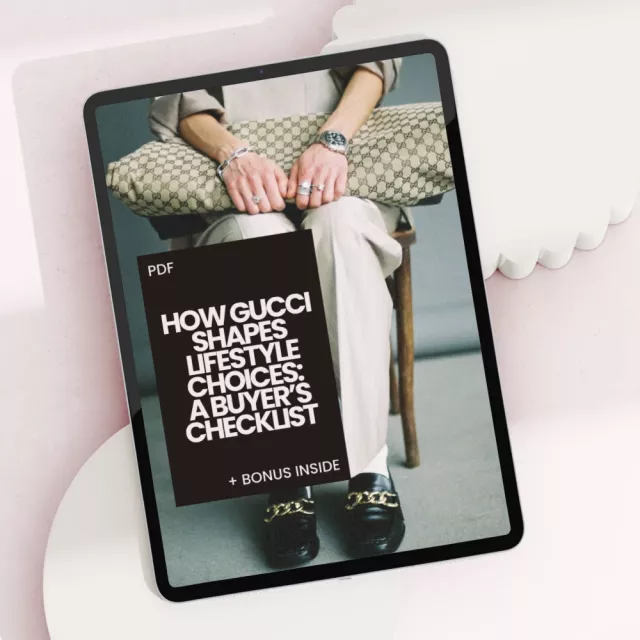
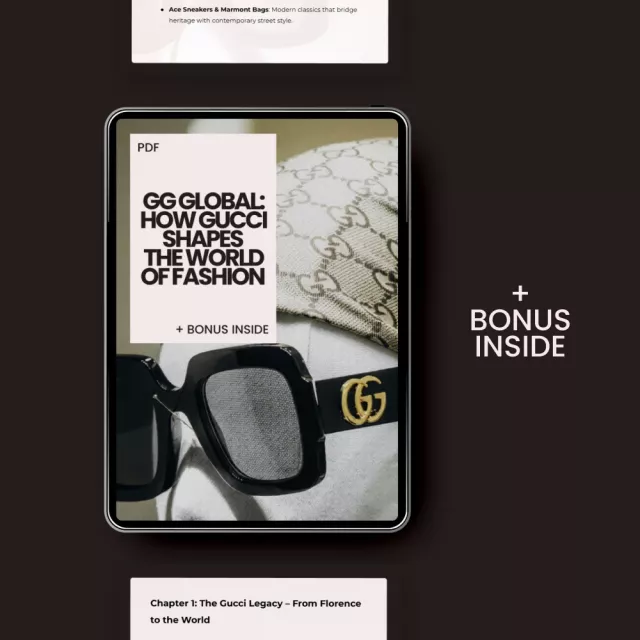
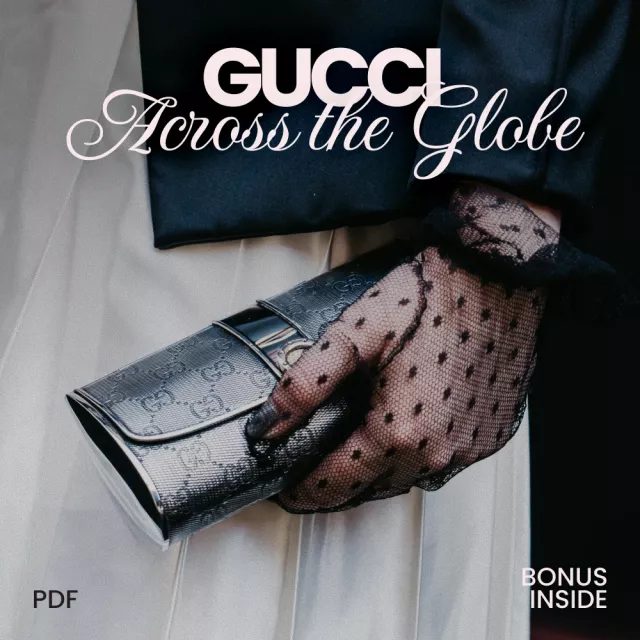
What if you could truly understand how gucci influences fashion trends—not just on the runway, but across social media, street style, celebrity culture, and even AI-powered fashion forecasting? Gucci & the Trend Machine: How a Brand Shapes Fashion Futures is a powerful, insight-packed eBook designed to take you behind the scenes of one of the most influential luxury houses in the world. This digital download breaks down how trends are born, amplified, and transformed into global movements—with Gucci at the center of it all.
Whether you’re a fashion enthusiast, content creator, small brand owner, or aspiring trend forecaster, this guide gives you a strategic lens into the machinery of influence that shapes what the world wears next.
What’s Inside This eBook
- An engaging introduction exploring why Gucci matters in fashion and how trends are born
- A deep dive into The Legacy of Gucci—from 1921 to today, including iconic designs and key creative figures
- Trendsetting strategies explained: branding, storytelling, celebrity endorsements, influencer culture, and runway psychology
- Gucci in pop culture: music, movies, streetwear, viral social media moments, and headline-making collaborations
- The Gucci aesthetic decoded: signature styles, colors, logos, motifs, and reinvention of classics
- Real case studies including Gucci’s Horsebit Loafers, the Gucci Marmont Bag, and sneaker trends that went mainstream
- Lessons from common pitfalls: overhyped launches, market misreads, and failed campaigns
- AI and the future of Gucci trends: virtual fashion shows, AI styling, and predictive fashion technology
- Practical guidance on taking inspiration, not imitation—especially for small brands and aspiring influencers
Who This Is For
- Fashion students and industry professionals
- Small fashion brand owners and designers
- Content creators and aspiring fashion influencers
- Trend forecasters and marketing strategists
- Luxury brand enthusiasts who want insider-level insight
Why This Guide Is Different
Unlike surface-level fashion commentary, this eBook combines history, branding psychology, cultural analysis, and forward-looking AI insights into one cohesive framework. It doesn’t just show you that Gucci sets trends—it explains how gucci influences fashion trends step by step, with real-world examples and actionable takeaways you can apply to your own brand, content, or creative projects.
You’ll learn how to identify emerging patterns, avoid trend adoption mistakes, balance creativity with marketability, and position yourself as either a sharp trend observer—or a confident trend creator.
What You’ll Gain
- A strategic understanding of luxury brand influence
- Clear insight into how trends move from niche to mainstream
- Practical lessons for branding, storytelling, and collaborations
- Future-focused knowledge on AI in fashion
- Inspiration to build, refine, or elevate your own fashion presence
Download Your Copy Today
If you’re ready to move beyond simply following trends and start understanding the system behind them, Gucci & the Trend Machine: How a Brand Shapes Fashion Futures is your next essential read. Click download now and discover exactly how gucci influences fashion trends—and how you can use those insights to shape your own fashion future.
SHIPPING
We are proud to offer international shipping services that currently operate in over 200 countries and islands world wide. Nothing means more to us than bringing our customers great value and service. We will continue to grow to meet the needs of all our customers, delivering a service beyond all expectation anywhere in the world.
Do you ship worldwide?
Yes. We provide free shipping to over 200 countries around the world. However, there are some locations we are unable to ship to. If you happen to be located in one of those countries we will contact you.
What about customs?
We are not responsible for any custom fees once the items have been shipped. By purchasing our products, you consent that one or more packages may be shipped to you and may get custom fees when they arrive to your country.
How long does shipping take?
Shipping time varies by location. These are our estimates:| Location | *Estimated Shipping Time |
|---|---|
| United States | 5-20 Business days |
| Canada, Europe | 5-20 Business days |
| Australia, New Zealand | 5-20 Business days |
| Central & South America | 5-25 Business days |
| Asia | 5-20 Business days |
| Africa | 5-25 Business days |
Do you provide tracking information?
Yes, you will receive an email once your order ships that contains your tracking information. If you haven’t received tracking info within 5 days, please contact us.
My tracking says “no information available at the moment”.
For some shipping companies, it takes 2-5 business days for the tracking information to update on the system. If your order was placed more than 5 business days ago and there is still no information on your tracking number, please contact us.
Will my items be sent in one package?
For logistical reasons, items in the same purchase will sometimes be sent in separate packages, even if you've specified combined shipping.
If you have any other questions, please contact us and we will do our best to help you out.
RETURNS
Order cancellation
All orders can be cancelled until they are shipped. If your order has been paid and you need to make a change or cancel an order, you must contact us within 12 hours. Once the packaging and shipping process has started, it can no longer be cancelled.
Refunds
Your satisfaction is our #1 priority. Therefore, you can request a refund or reshipment for ordered products if:
- If you did not receive the product within the guaranteed time (45 days not including 1-3 day processing) you can request a refund or a reshipment.
- If you received the wrong item you can request a refund or a reshipment.
- If you do not want the product you’ve received you may request a refund but you must return the item at your expense and the item must be unused.
We do not issue the refund if:
- Your order did not arrive due to factors within your control (i.e. providing the wrong shipping address)
- Your order did not arrive due to exceptional circumstances outside the control of cyclonica.com (i.e. not cleared by customs, delayed by a natural disaster).
- Other exceptional circumstances outside the control of cyclonica.com.
*You can submit refund requests within 15 days after the guaranteed period for delivery (45 days) has expired. You can do it by sending a message on Contact Us page
If you are approved for a refund, then your refund will be processed, and a credit will automatically be applied to your credit card or original method of payment, within 14 days.
Exchanges
If for any reason you would like to exchange your product, perhaps for a different size in clothing, you must contact us first and we will guide you through the steps.
Please do not send your purchase back to us unless we authorise you to do so.
Order cancellation
All orders can be cancelled until they are shipped. If your order has been paid and you need to make a change or cancel an order, you must contact us within 12 hours. Once the packaging and shipping process has started, it can no longer be cancelled.
Refunds
Your satisfaction is our #1 priority. Therefore, you can request a refund or reshipment for ordered products if:
- If you did not receive the product within the guaranteed time( 45 days not including 2-5 day processing) you can request a refund or a reshipment.
- If you received the wrong item you can request a refund or a reshipment.
- If you do not want the product you’ve received you may request a refund but you must return the item at your expense and the item must be unused.
We do not issue the refund if:
- Your order did not arrive due to factors within your control (i.e. providing the wrong shipping address)
- Your order did not arrive due to exceptional circumstances outside the control of cyclonica.com (i.e. not cleared by customs, delayed by a natural disaster).
- Other exceptional circumstances outside the control of
*You can submit refund requests within 15 days after the guaranteed period for delivery (45 days) has expired. You can do it by sending a message on Contact Us page
If you are approved for a refund, then your refund will be processed, and a credit will automatically be applied to your credit card or original method of payment, within 14 days.
Exchanges
If for any reason you would like to exchange your product, perhaps for a different size in clothing. You must contact us first and we will guide you through the steps.
Please do not send your purchase back to us unless we authorise you to do so.
Customer Reviews
Write a Review
We Think You’ll Love
Top picks just for you













The Dapper Dan collaboration case study perfectly illustrates how cultural partnerships create trend momentum — that section alone justifies the read.
This reads like a fashion strategy textbook disguised as a Gucci appreciation guide. Sharp and applicable.
The Marmont bag Instagram effect breakdown was spot on — I watched that exact cycle happen in real time.
I run a small accessories brand and had been copying aesthetics without understanding the mechanics behind them. This guide reframed everything for me. The section on how Gucci turns heritage into storytelling — not just branding — made me rethink my entire product narrative. I've since revised my lookbook approach and the engagement difference on social has been noticeable. The distinction between inspiration and imitation in the final chapter was the push I needed to stop borrowing motifs and start building my own visual language.
Eight chapters and none of them felt padded.
The failed campaigns section was refreshingly honest — most brand guides skip the missteps entirely.
Wish the AI sections offered more concrete tool names instead of general concepts. The trend analysis framework and pop culture chapters more than compensate though.
The Flora collection case study — originally for Grace Kelly, revived decades later — is a masterclass in heritage revival.
Sent this to my entire fashion marketing class.
The overhyped vs. timeless framework changed how I evaluate every trend I see now. Simple distinction, massive impact on buying decisions.
🔥👏✨⭐
Readable, well-structured, and packed with lessons that apply way beyond luxury fashion.
The pitfalls chapter was the most honest part. Acknowledging that even Gucci has misjudged cultural context gives the whole guide more credibility. The 2018 campaign controversy case study was handled thoughtfully without being preachy.
I studied fashion marketing in school and this covers more practical ground than half my textbooks. The branding and storytelling section especially — the Gucci Garden example shows how immersive experiences build loyalty in ways traditional advertising can't. I now approach every campaign I work on by asking what story the product tells, not just what it looks like.
The sneaker case study tracking the Ace from niche to mainstream was fascinating.
Some of the AI prompt examples feel more aspirational than actionable right now. The core content on trendsetting strategy and collaboration is where this guide shines.
The point about Gucci's runway shows being events rather than presentations stuck with me.
Covers the full arc — history, strategy, pop culture, pitfalls, AI, and how to actually apply it. Nothing wasted.
I came for the Gucci history and stayed for the brand strategy framework. The collaboration analysis — North Face, Balenciaga, Dapper Dan — shows exactly how partnerships create cultural moments, not just co-branded products. Applied the same thinking to a small collab I was planning and the reception was completely different from my solo launches.
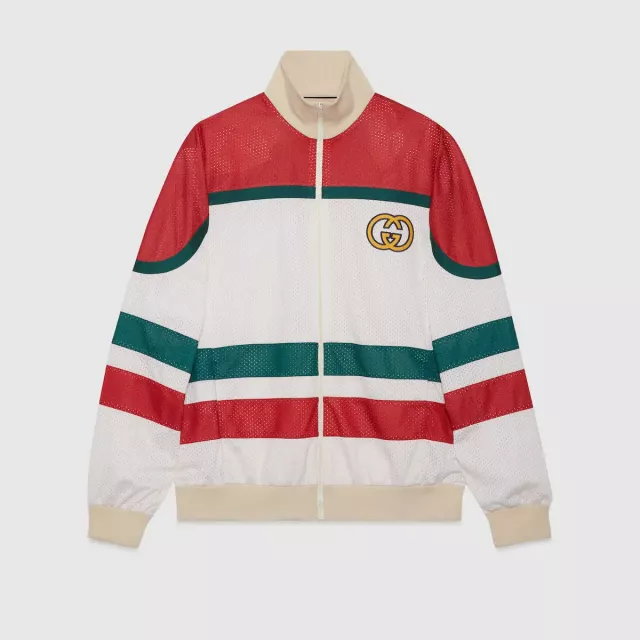
The green-red-green stripe origin story is the kind of detail that makes you see the brand differently.
Strong on the business side, lighter on the creative side. I wanted more on the actual design process behind Gucci's aesthetic choices, not just their market impact. That said, the trend adoption pitfalls section is genuinely useful for anyone in fashion.
Finally a guide that treats fashion trends as strategy, not magic.
The Horsebit loafer case study — formal shoe to streetwear staple — is the clearest example of heritage revival I've read anywhere 👟
Every aspiring fashion influencer should read the last chapter before posting another outfit photo.
Thorough and well-organized but the AI content repeats across multiple chapters — the same general point about trend prediction appears in slightly different forms four or five times. Condensing those into one strong section would make the guide tighter.
The distinction between trend observer and trend creator in the conclusion gave me a completely new way to think about my role in fashion.
Read it in one sitting on a flight. Landed with three pages of notes for my brand.
The section on how Gucci's color clashes — neon with earth tones — challenge traditional rules made me braver with my own palette choices.
Wished for deeper coverage of the Tom Ford era specifically — it's mentioned but not given the same depth as the Michele years. The branding and storytelling chapter is the highlight.
I've been building a streetwear label for two years and struggling with why some pieces hit and others don't. This guide broke down the mechanics behind trend adoption in a way that finally clicked for me. The lesson about introducing bold ideas gradually instead of all at once completely changed my approach to seasonal drops. Before, I'd throw everything experimental into one collection and confuse my audience. Now I anchor each release around one statement piece and build the rest around it. My last drop sold out for the first time.
❤️🐍👜🔥
The pop culture chapter connecting hip-hop, film, and streetwear to Gucci's influence felt complete without being bloated.
Perfect balance of historical depth and practical takeaways.
The Gucci x Balenciaga Hacker Project analysis was the best explanation I've seen of how remixing heritage generates buzz.
Good overview but it occasionally oversimplifies the relationship between social media virality and actual sales. The case studies are compelling, but some nuance around when visibility doesn't convert would strengthen the guide.
Not just about Gucci — it's about how any brand can think like Gucci.
The capsule collection exercise at the end pushed me to actually create something instead of just consuming fashion content.
The Princetown slipper mention was a nice callback — that shoe bridged luxury and casual before anyone else was doing it.
I teach a brand strategy course and this is going on the supplemental reading list. The way it connects storytelling to measurable trend impact — through collaboration, social media, and heritage revival — is exactly the framework my students struggle to articulate on their own.
Helpful framework but leans heavily toward marketing professionals. If you're purely a fashion consumer, some chapters may feel more like business strategy than style guidance.
The insight that Gucci's motifs function as cultural signals, not just decoration, reframed how I approach branding entirely.
Clean writing, no fluff, and the case studies do real analytical work instead of just listing facts.
The idea of testing concepts through limited runs before committing to full production is something I immediately applied to my own small line 🙌
Solid but the promo page at the end felt disconnected from the rest of the content.
Balancing creativity with marketability is the hardest thing in fashion and this guide gives it real attention instead of hand-waving.
The failed campaign section should be required reading for any brand considering bold creative choices without cultural vetting.
I now look at every Gucci runway show as a storytelling exercise, not just a fashion presentation. That shift in perspective came directly from this guide.
Gave me a better understanding of trend lifecycles than three years of scrolling fashion TikTok.
The visual identity section — how consistent use of motifs and color builds recognition — is transferable to any industry, not just fashion.
I appreciated that the guide doesn't just celebrate Gucci — it also examines where the brand has stumbled. That honesty makes the strategic advice feel trustworthy rather than promotional. The pitfalls chapter is genuinely the best section.
Thoughtful and well-researched from start to finish.
Would have liked more data — resale numbers, social engagement metrics, specific campaign ROI — to back up the trend impact claims. The qualitative analysis is strong but quantitative depth would elevate it further.
The conclusion nailed it — fashion is both art and strategy, and this guide proves it across every chapter.