





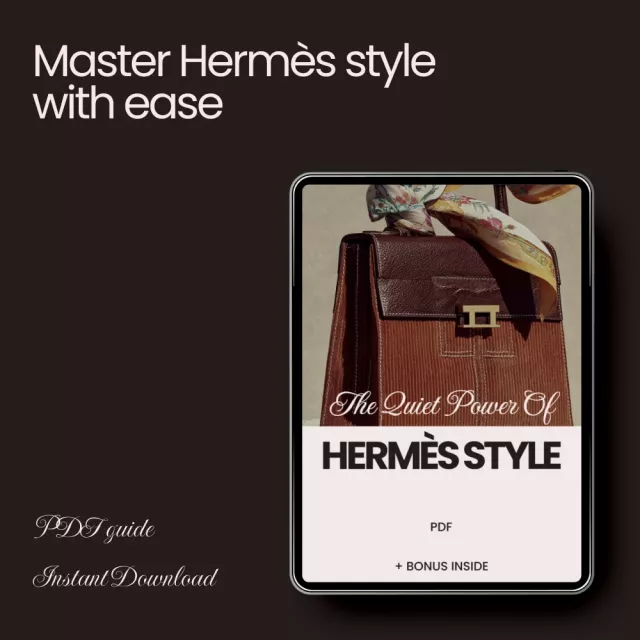
Discover the Secret to Timeless Elegance with The Quiet Power of Hermès Style
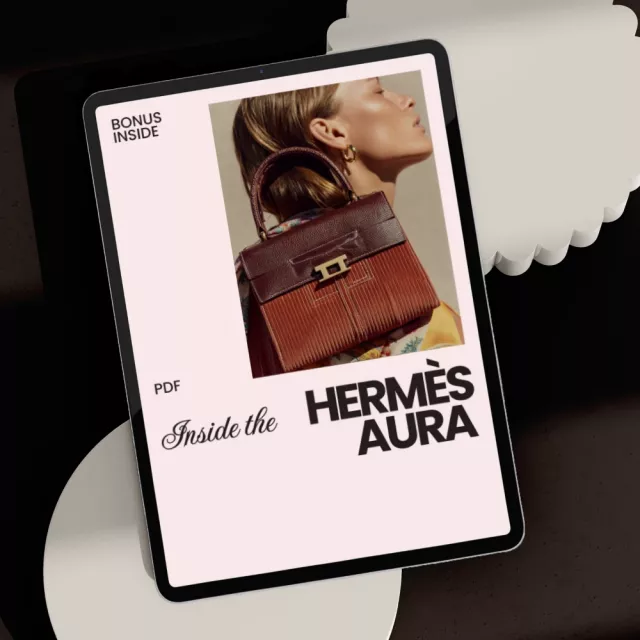
Embrace the art of understated luxury with “The Quiet Power of Hermès Style,” your comprehensive guide to mastering the iconic elegance of Hermès. This digital download is more than just a style manual—it’s a philosophy that redefines how we approach luxury fashion. Whether you’re looking to build a sophisticated wardrobe, refine your styling techniques, or elevate your everyday look, this eBook delivers timeless insights into the world of Hermès style.
From the brand’s minimalist approach to its signature materials and colors, this guide takes you step-by-step through the elements that make Hermès one of the most coveted luxury brands in the world. Learn how to incorporate Hermès-inspired pieces into your wardrobe while embracing a sustainable, long-lasting approach to fashion. It’s not just about what you wear; it’s about how you wear it.
What’s Inside The Quiet Power of Hermès Style
- Chapter 1: The Philosophy Behind Hermès Style – Explore the core values that set Hermès apart from other luxury brands.
- Chapter 2: Signature Elements of the Hermès Look – Discover the materials, color strategy, and iconic silhouettes that define the Hermès aesthetic.
- Chapter 3: Building a Hermès Inspired Wardrobe – Learn which essential pieces to invest in and how to prioritize quality over quantity.
- Chapter 4: Styling Like Hermès in Everyday Life – Simple outfit formulas for effortless elegance that mix high-end with affordable pieces.
- Chapter 5: Common Mistakes That Break the Luxury Illusion – Avoid logo traps and fabric fit errors that detract from the luxurious look.
- Chapter 6: Using AI to Refine Your Hermès Aesthetic – Harness virtual tools and AI prompts to perfect your style.
Who Should Download This Guide?
This eBook is perfect for anyone who admires the timeless, minimalist elegance of Hermès and wants to incorporate that style into their own life. Whether you’re a fashion enthusiast, a professional, or simply someone looking to elevate their wardrobe with a more refined aesthetic, this guide is for you. It’s also ideal for those who appreciate the value of quality over quantity and want to curate a long-lasting wardrobe that transcends trends.
Why Choose The Quiet Power of Hermès Style?
What sets this eBook apart from other style guides is its holistic approach to Hermès style. Rather than focusing solely on trends, this guide offers lasting principles based on the brand’s philosophy. You’ll not only understand what makes Hermès different, but you’ll also learn how to apply that philosophy to your everyday wardrobe and lifestyle. Plus, with the use of AI tools, you’ll be able to refine and personalize your look like never before.
Start Embracing the Quiet Power of Hermès Today!
Ready to master the art of minimalist luxury? Download “The Quiet Power of Hermès Style” now and transform the way you approach fashion. This digital guide is your key to embracing the elegance and refinement that Hermès is known for, all while building a wardrobe that’s as timeless as the brand itself. Don’t wait—unlock the quiet power of style today!
SHIPPING
We are proud to offer international shipping services that currently operate in over 200 countries and islands world wide. Nothing means more to us than bringing our customers great value and service. We will continue to grow to meet the needs of all our customers, delivering a service beyond all expectation anywhere in the world.
Do you ship worldwide?
Yes. We provide free shipping to over 200 countries around the world. However, there are some locations we are unable to ship to. If you happen to be located in one of those countries we will contact you.
What about customs?
We are not responsible for any custom fees once the items have been shipped. By purchasing our products, you consent that one or more packages may be shipped to you and may get custom fees when they arrive to your country.
How long does shipping take?
Shipping time varies by location. These are our estimates:| Location | *Estimated Shipping Time |
|---|---|
| United States | 5-20 Business days |
| Canada, Europe | 5-20 Business days |
| Australia, New Zealand | 5-20 Business days |
| Central & South America | 5-25 Business days |
| Asia | 5-20 Business days |
| Africa | 5-25 Business days |
Do you provide tracking information?
Yes, you will receive an email once your order ships that contains your tracking information. If you haven’t received tracking info within 5 days, please contact us.
My tracking says “no information available at the moment”.
For some shipping companies, it takes 2-5 business days for the tracking information to update on the system. If your order was placed more than 5 business days ago and there is still no information on your tracking number, please contact us.
Will my items be sent in one package?
For logistical reasons, items in the same purchase will sometimes be sent in separate packages, even if you've specified combined shipping.
If you have any other questions, please contact us and we will do our best to help you out.
RETURNS
Order cancellation
All orders can be cancelled until they are shipped. If your order has been paid and you need to make a change or cancel an order, you must contact us within 12 hours. Once the packaging and shipping process has started, it can no longer be cancelled.
Refunds
Your satisfaction is our #1 priority. Therefore, you can request a refund or reshipment for ordered products if:
- If you did not receive the product within the guaranteed time (45 days not including 1-3 day processing) you can request a refund or a reshipment.
- If you received the wrong item you can request a refund or a reshipment.
- If you do not want the product you’ve received you may request a refund but you must return the item at your expense and the item must be unused.
We do not issue the refund if:
- Your order did not arrive due to factors within your control (i.e. providing the wrong shipping address)
- Your order did not arrive due to exceptional circumstances outside the control of cyclonica.com (i.e. not cleared by customs, delayed by a natural disaster).
- Other exceptional circumstances outside the control of cyclonica.com.
*You can submit refund requests within 15 days after the guaranteed period for delivery (45 days) has expired. You can do it by sending a message on Contact Us page
If you are approved for a refund, then your refund will be processed, and a credit will automatically be applied to your credit card or original method of payment, within 14 days.
Exchanges
If for any reason you would like to exchange your product, perhaps for a different size in clothing, you must contact us first and we will guide you through the steps.
Please do not send your purchase back to us unless we authorise you to do so.
Order cancellation
All orders can be cancelled until they are shipped. If your order has been paid and you need to make a change or cancel an order, you must contact us within 12 hours. Once the packaging and shipping process has started, it can no longer be cancelled.
Refunds
Your satisfaction is our #1 priority. Therefore, you can request a refund or reshipment for ordered products if:
- If you did not receive the product within the guaranteed time( 45 days not including 2-5 day processing) you can request a refund or a reshipment.
- If you received the wrong item you can request a refund or a reshipment.
- If you do not want the product you’ve received you may request a refund but you must return the item at your expense and the item must be unused.
We do not issue the refund if:
- Your order did not arrive due to factors within your control (i.e. providing the wrong shipping address)
- Your order did not arrive due to exceptional circumstances outside the control of cyclonica.com (i.e. not cleared by customs, delayed by a natural disaster).
- Other exceptional circumstances outside the control of
*You can submit refund requests within 15 days after the guaranteed period for delivery (45 days) has expired. You can do it by sending a message on Contact Us page
If you are approved for a refund, then your refund will be processed, and a credit will automatically be applied to your credit card or original method of payment, within 14 days.
Exchanges
If for any reason you would like to exchange your product, perhaps for a different size in clothing. You must contact us first and we will guide you through the steps.
Please do not send your purchase back to us unless we authorise you to do so.
Customer Reviews
Write a Review
We Think You’ll Love
Top picks just for you














The capsule wardrobe example in Chapter 3 is the reason I stopped overbuying. Seeing how a camel coat, ivory blouse, and dark denim can generate twenty-plus outfits made the whole investment dressing concept click.
Chapter 5 on the logo trap called me out in the best way.
The three-point check for every purchase — material, fit, versatility — is now taped to my closet door. I ran six recent buys through it and realized two of them failed on versatility alone. Returned both, no regret.
I have been trying to build a quiet luxury wardrobe for over a year but kept ending up with a closet full of neutrals that somehow didn't go together. The color strategy section finally explained why — I was mixing warm and cool neutrals without realizing it. The guide's palette of camel, cream, warm beige, chocolate brown, and ivory gave me an actual framework. I used the AI prompt from Chapter 6 to generate a cohesive palette and then audited everything I own against it. Donated eight pieces that were pulling my wardrobe in different directions and replaced two of them with items that actually fit the system. My closet is smaller but every outfit looks intentional now 🤎
The AI outfit planning prompts in Chapter 6 are surprisingly effective.
✨🧥🤎
Finally understand why my outfits looked expensive sometimes and cheap other times — it was always the fabric. Chapter 2 made that so clear.
The section on mixing high-end pieces with affordable basics is the most practical luxury styling advice I've read. Knowing to invest in leather goods, outerwear, and footwear while keeping layering knits affordable completely changed my budgeting approach.
I used to think structured meant stiff. The explanation of Hermès silhouettes as structured but relaxed cleared that up instantly.
The equestrian heritage context in Chapter 1 added depth I didn't expect from a style guide. Understanding why the aesthetic prioritizes function alongside elegance made every styling tip in the later chapters feel more grounded. The outfit formulas in Chapter 4 are particularly strong — cream knit, tailored trousers, leather loafers, and a structured belt is now my default Monday look. I also appreciated the color pairing missteps section because I've definitely been guilty of too many competing bold tones in one outfit. The only thing I'd add is more on accessory layering, but the foundation here is excellent.
Day-to-evening transitions without a full outfit change — that's the section I keep rereading.
Read it in one sitting and immediately opened my closet to start editing 😅
The point about synthetic fabrics reducing perceived quality is something I knew intuitively but never saw spelled out so directly. Checked the labels on my five most-worn tops and three were polyester blends. Replaced them with cotton and the difference is visible.
Chapter 3's essential pieces list is exactly what I needed to stop buying randomly.
The fabric and fit errors section saved me from a coat purchase last week. I tried it while walking around the store like the guide suggests and the shoulders sagged immediately. Would have missed that standing still in front of a mirror.
Clean, smart, and zero fluff across all six chapters.
I've read probably a dozen quiet luxury guides online and most of them just say "buy neutral clothes." This one actually explains why minimalism works in luxury — the bit about visual clarity making fabric quality, tailoring, and color harmony more visible was the missing piece for me. The capsule wardrobe example is concrete enough to follow but flexible enough to adapt. I rebuilt my fall wardrobe around it in a weekend.
That three-point check is deceptively simple and brutally effective.
Structured but relaxed — two words that fixed my entire approach to tailoring.
I was skeptical about the AI chapter but the color palette prompts are actually useful. Generated a warm neutral scheme around camel and ivory in seconds and it looked more cohesive than anything I'd put together manually. Using it to plan product flatlays now too.
🤎👜🧣✨👠
The philosophy chapter alone is worth it — restraint, intention, and quiet confidence as a style framework just makes sense.
Two years ago I went through a phase where I bought every trendy designer piece I could afford. Logo belts, seasonal colorways, statement bags — the works. My closet was full and nothing went together. When I found this guide I almost didn't read it because I figured I already knew what quiet luxury meant. I was wrong. The section on investment dressing completely reframed how I think about purchasing. The idea that each piece should work in at least three outfits eliminated half my wish list overnight. I rebuilt around the capsule wardrobe example — camel coat, cream knit, dark denim, brown leather loafers — and for the first time my closet actually functions as a system. Friends keep asking why I suddenly look so pulled together and the answer is literally this guide 🤍
The color pairing missteps section identified exactly what I was doing wrong.
Buying fewer but better pieces sounds obvious until someone gives you the actual filter to decide what qualifies. The material, fit, and versatility check does that. Short guide, lasting impact.
The AI palette generator prompts from Chapter 6 now live in my notes app permanently.
I've never highlighted a PDF this much. The section on recognizing when garments don't hold their shape in motion — checking the piece while walking and sitting, not just standing — is advice I've never seen anywhere else. Applied it on my next shopping trip and caught a blazer that looked gorgeous on the hanger but crumpled at the waist when I sat down. Small detail, massive difference in how polished you end up looking.
Loved it 🤎
The virtual wardrobe tool suggestion in Chapter 6 is something I hadn't considered. Uploaded my closet into an app and immediately spotted three duplicate brown knits. Quiet luxury starts with knowing what you already own.
Really solid guide — the chapters on signature elements and common mistakes are especially well done. I do think the day-to-evening transitions section could have used a few more concrete examples of what those small adjustments actually look like in practice. The foundation is strong though and I've already applied the outfit formulas to my weekly rotation.
The clean silhouettes section gave me language for what I'd been trying to describe about my style for years.
Chapter 5 should be required reading for anyone who thinks stacking logos looks luxurious.
I was deep in a fast fashion cycle when I came across this. Buying new things every other week, nothing lasting more than a season, always feeling like I had nothing to wear despite a packed closet. The philosophy chapter hit first — the idea that Hermès designs from a decade ago still look current because they rely on classic shapes instead of trend-driven details. Then the quality-over-quantity section gave me a concrete system: check the material, assess the fit, test versatility. I purged sixty percent of my wardrobe over two weekends and rebuilt with maybe twelve pieces that all work together. My mornings are faster, my outfits photograph better, and I spend less than I used to. The guide is concise but the mindset shift it creates is enormous.
One read-through and I knew my camel coat would become the anchor of my entire wardrobe.
The outfit formula for professional settings — white shirt, black trousers, fine wool blazer — sounds basic on paper but when you nail the fabric and proportions it looks like a completely different outfit. Tried it for a presentation last week and three people commented.
The emphasis on texture and weight over brand names is a perspective shift I needed.
Mid-length outerwear with slightly relaxed tailoring — that's the formula that's been missing from my closet.
Chapter 2 on materials is where this guide separates itself from generic style advice. The breakdown of silk twill, cashmere knits, and fine wool tailoring as the core Hermès fabrics gave me a shopping filter I use every time now. If it's not one of those core materials or high-quality cotton, I walk away.
The minimalism chapter reframed everything — it's about visual clarity, not deprivation.
I went from owning 80+ pieces I barely wore to about 30 that all coordinate after reading this. The capsule wardrobe example in Chapter 3 was the turning point. Camel wool coat, beige trench, ivory silk blouse, cream fine knit, crisp white shirt, black trousers, dark straight denim, brown loafers, black ankle boots, slim belt, structured bag, silk scarf. That's it. That list generated more polished looks than my entire previous wardrobe combined. I also used the AI color palette prompt to double-check my choices and it confirmed the warm neutral direction I was heading in. This guide doesn't just tell you what to wear — it teaches you how to think about building a system 💛
Subtle branding over loud logos — the status and signaling section in spirit here matches what the first guide covered too. Consistent philosophy across this whole series.
The guide covers a lot and the philosophy and signature elements chapters are genuinely insightful. I found the AI chapter felt slightly surface-level compared to the depth of the earlier sections — I wanted more specific tool recommendations beyond general prompts. That said, the style advice itself is excellent and I've already changed how I shop.
Chocolate brown and cream together is the combination I never tried until Chapter 2 told me to 🤎
The tip about anchoring an outfit with one or two neutrals and then allowing a single accent color is so simple but it fixed every chaotic look I've put together.
Worth it for the common mistakes chapter alone.
I've been running a personal styling account for two years and recommend this to every client who asks about quiet luxury. The three-point purchase check in Chapter 3 is something I now walk through with people on every consultation call. Material, fit, versatility — if a piece doesn't clear all three, it's a skip. What makes this guide stand out is that it never talks down to the reader. It treats style as a system of intentional decisions rather than a set of rules, and that mindset translates way beyond clothing into how you present yourself overall.
The part about editing out pieces where the logo is the main visual feature was a turning point for me. Pulled four items from my closet the same day.
🧣🤎✨
Every chapter builds on the last — philosophy to elements to wardrobe to styling to mistakes to AI tools. Reads like a curriculum, not a listicle.
The elevated casual formula — dark straight jeans, silk blouse, camel coat — is now my weekend uniform.
I spent years thinking quiet luxury meant everything had to be black and beige. The guide's point about Hermès using bold hues on a neutral foundation opened up my palette without losing the polished feel. Added a burnt orange scarf to my capsule and it lifts everything.
Leather goods, outerwear, and footwear as the three areas to invest in. That hierarchy alone saved me from wasting money on a trendy blouse.
Before this guide, my closet was a mess of impulse buys. I had beautiful individual pieces that refused to work together. Chapter 1 introduced the concept of investment dressing and Chapter 3 made it actionable with the capsule example. I started by replacing my cheapest outerwear with a structured wool coat in cream and the effect on every outfit underneath it was immediate. The fabric section also pushed me to check labels before buying — I was shocked how much polyester I'd been wearing in items I thought were high quality. Six months later my closet is half the size and every outfit looks cohesive. My husband noticed before I even told him what I was doing 😊
A well-chosen wool coat communicates more luxury than a logo-covered item. That line rewired my shopping brain.
This is a strong guide with good range. The craftsmanship philosophy and common mistakes chapters stood out the most. I do think the guide could benefit from a quick-reference summary or one-page cheat sheet for everyday use — with six chapters there's a lot to remember. Still very much worth reading and rereading.
Used the AI prompt to generate three Hermès-inspired capsule outfits and got better results than hours of Pinterest scrolling.
The guide's emphasis on discretion as a core value is something more people need to hear.
Nothing overly tight or aggressively oversized — that balance is the hardest thing to nail and Chapter 2 finally explained it in a way that made sense for my body type.
I came for the outfit formulas and stayed for the philosophy. Understanding that Hermès built its aesthetic around equestrian roots where things had to actually function gave me a completely new lens for evaluating clothes. Practical and refined don't have to be opposites. Applied that principle to a new trench coat purchase and it's become the most versatile piece I own.
The ivory silk blouse from the capsule example was my first purchase after reading this. Wore it four times in two weeks.
Concise and confident. Reads the way Hermès dresses — no excess.
I run a small fashion content account and I've been struggling to articulate the difference between minimalism and quiet luxury. This guide nailed it in Chapter 1 — it's not about owning less for the sake of it, it's about visual clarity and intentional choice. That distinction became the foundation of a content series I've been planning for months. The outfit formulas from Chapter 4 gave me three ready-to-shoot looks, and the AI prompts from Chapter 6 helped me build color-consistent posts without hiring a stylist. The fabric and fit errors section also caught a mistake I'd been making on camera — wearing pieces that didn't hold their shape when I moved, which was visible in video. Tiny adjustment, huge difference in how polished my content looks now.
Checking fabric composition before buying is now a reflex thanks to Chapter 5.
Soft black as a neutral was a revelation — warmer and more versatile than the harsh black I'd been defaulting to.
The effortless outfit formulas are repeatable without feeling boring. That's the whole point and this guide gets it.
Quiet authority without feeling overdressed — that's the exact energy I needed for my new job and Chapter 4 delivered it.
I was a compulsive Zara shopper. Not bad pieces individually, but nothing connected. After Chapter 3 I understood the difference between a collection of clothes and a wardrobe system. Built my first capsule around the guide's essentials list — the camel coat became the anchor, the cream fine knit became the workhorse, and the brown leather loafers tied everything to the ground. Within a month I was getting dressed in under five minutes and feeling better about every outfit than I did with three times the options. The three-outfit versatility rule alone has saved me probably four hundred dollars in prevented impulse buys 💫
The color palette section reads like a lesson I should have learned years ago.
This guide taught me to see my wardrobe as a system. Every chapter reinforces the same core idea from a different angle, and by the end it just clicks.
The silk scarf in a restrained print — that one capsule addition elevated three separate outfits I already owned.
I keep coming back to the section about how garments that pull at the seams or sag at the shoulders break the entire look. Started checking that in fitting rooms and my hit rate on new purchases went way up.
Straight dark denim as a capsule essential was the one addition I was missing. Replaced my distressed jeans and everything looks sharper.
The virtual wardrobe tools section in Chapter 6 pushed me to actually try one. Uploaded my closet, found I owned five near-identical black tops and zero proper neutral knits. The guide didn't just teach me a style — it exposed the gaps I'd been working around for years. I also love that it acknowledges you don't need a fully luxury wardrobe to pull this off. The mixing high-end with affordable pieces section gave me permission to keep my favorite mid-range shirts while upgrading only where it matters most visually. Practical and honest throughout.
The emphasis on mid-length outerwear and minimal hardware belts gave me two very specific shopping targets. Walked into a store with clarity instead of browsing aimlessly for the first time.
Crisp, actionable, and elegant — reads the way the aesthetic feels 🤍
I gifted this to my sister who was about to drop serious money on a seasonal Hermès colorway. She read the timelessness section, reconsidered, and went with a heritage neutral instead. Already worn it eight times.
Every time I want to buy something I ask: does it work in three outfits? That filter from Chapter 3 has been more useful than any trend forecast.
My wardrobe shrank and my compliments tripled 😌
Last fall I invested in a cashmere coat after reading this guide and it has single-handedly elevated every outfit underneath it, including jeans and a basic tee. The guide's hierarchy of where to invest — leather goods, outerwear, footwear — turned out to be exactly right. I spent less overall last season than the year before because I wasn't filling my cart with random mid-range pieces that looked fine individually but clashed as a group. The color strategy chapter also helped me commit to a warm neutral palette instead of bouncing between tones every month. My closet finally has a point of view and it took this guide to get me there.